
Hi there! I’m Zara, and I’m 12 years old. I help kids learn about money at Assetsforkids.
Have you seen your parents tap their phone to buy something? That’s called a money app or electronic wallet! It holds your money on your phone instead of cash.
It’s like a virtual piggy bank on your phone. You can buy things online or in stores without cash.
Since we’re growing up with technology, learning about digital payments for children is key. We’ll use these apps more than our parents did!
That’s why I want to share all I know about staying safe with money apps. Knowing about kids financial literacy helps us make smart money choices.
Ready to become a money app expert? Let’s dive in!
What Are Digital Wallets and Why Should I Care?
Imagine your wallet in your phone doing cool things. That’s what a digital wallet is! It’s an app or service for online payments without cash or cards.
It’s like a magic wallet in your phone. Your parents tap their phone at stores and pay for groceries. That’s a digital wallet at work!
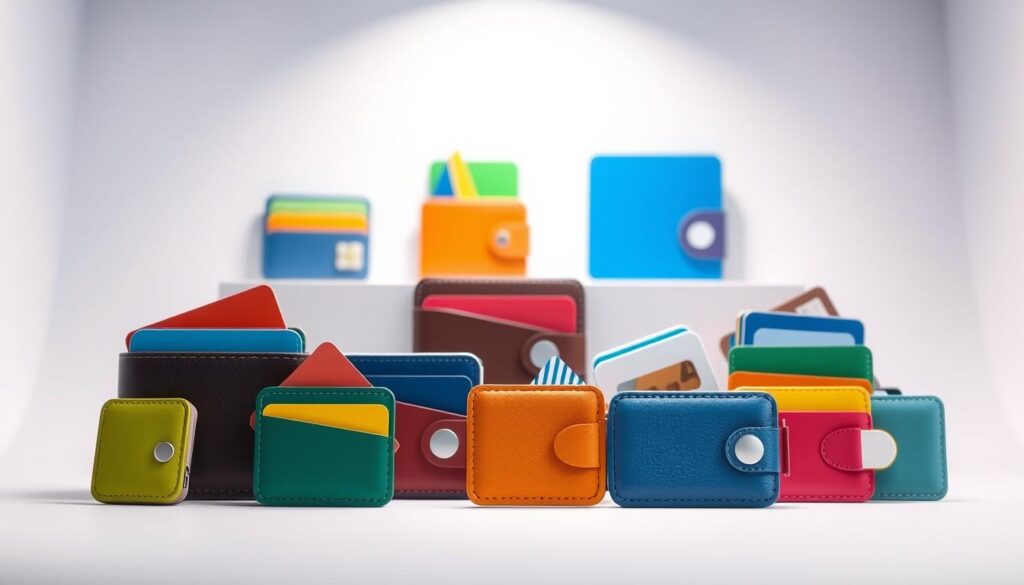
These digital wallets do more than hold money. They store tickets, passes, and even ID cards. It’s like having a super-organized pocket!
Here’s why you should care about these tools:
| Reason | Why It Matters | Future Benefit |
|---|---|---|
| Technology Growth | Everything is becoming digital | You’ll be ahead of the game |
| Money Management | Learn smart financial habits early | Better money skills as an adult |
| Safety Knowledge | Understanding online payment safety protects you | Avoid scams and fraud |
| Convenience | Faster, easier transactions | More time for fun stuff |
We’ll use digital payments more than our parents. Learning about digital money versus real coins is key. It’s not just about being tech-savvy.
It’s about being smart with money today. Learning digital payments is like learning to ride a bike. Once you learn, it makes life easier!
How Digital Wallets Actually Work
Let’s talk about how digital wallets work. It’s like sending a text, but with payment info. It’s really cool once you get it!
Your digital wallet needs to link to a bank account or have money loaded by an adult. It’s like filling a piggy bank. Then, the magic starts.
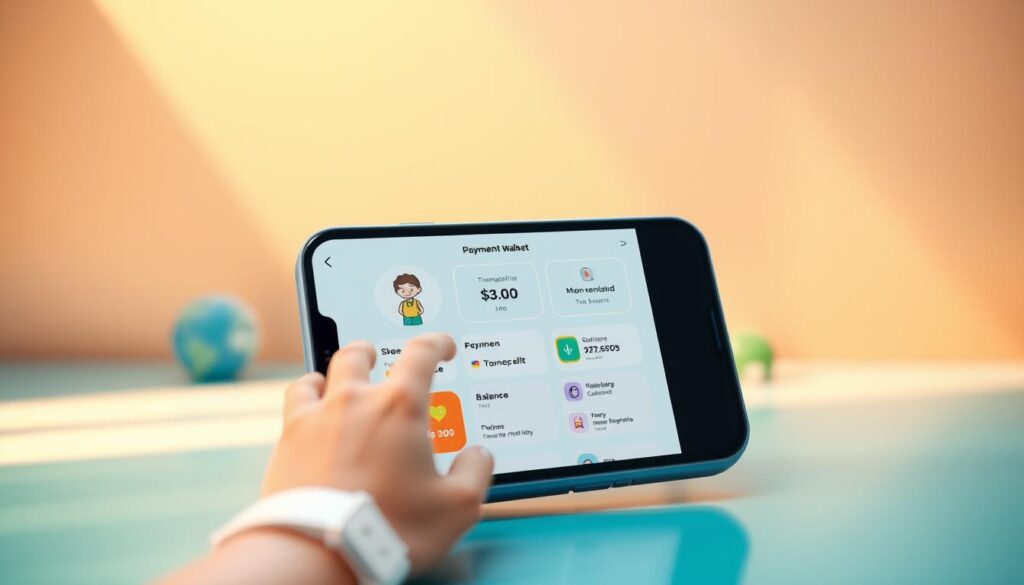
To buy something, scan a QR code or tap your phone at the store. The QR code is a secret message for your phone. It’s much faster than cash!
Now, let’s talk about electronic money education. Your wallet sends a message to the store. It says, “This person wants to pay, and they have enough money.” The store checks with your bank to make sure it’s okay.
The best part about mobile payments for kids is how fast it is. Money moves from your account to the store’s in seconds. It’s like teleporting money!
Also, every transaction is recorded automatically. You can always see what you bought and when. No more lost receipts or forgotten purchases. Everything is organized in your digital wallet history.
Different Types of Digital Wallets I’ve Discovered
I looked into digital banking basics and found three main wallet types. Each one works in its own way and has its own purpose. Let me tell you what I learned!
Open digital wallets are very flexible. You can use them almost everywhere. Apple Pay, Google Pay, PayPal, Cash App, and Venmo are some examples. They act like a magic key that works at most places.
My older cousin loves using Apple Pay. She just taps her phone and it pays instantly. These wallets link to your bank or credit card, making shopping easy.
Closed digital wallets have rules but offer special benefits. Companies make these for their own products or services. The Scholastic Book Fair eWallet is a great example.
Parents put money on this wallet, and kids can only use it at school book fairs. It’s like having money for school only. This stops kids from spending too much while still letting them buy things.
Family digital wallets are the newest kind in financial technology for youth. Services like Step and Greenlight are made for families. Parents control how much money kids can spend and where.
These wallets send alerts when kids buy something. Parents can block certain stores or set daily limits. It’s like teaching kids how to handle money safely.
Each wallet type meets different needs. Knowing about these helps you pick the best one for your family’s needs.
Understanding Digital Wallets and Online Payments for Kids: My Safety Guide
Digital wallet safety is cool and important. At first, I was worried about security. But now I know digital wallets are safer than cash if you use them right.
Here are my top digital wallet safety tips for kids. First, never share your PIN or password with anyone except your parents. It’s like keeping your house key safe. You wouldn’t give it to just anyone, right?
Second, get a trusted adult to help set up your digital wallet. Family payment apps have parental controls for limits and alerts. It’s a way to build trust while learning.
Third, only use your digital wallet on secure networks. Use your home WiFi or your parents’ phone data. Never use public WiFi for payments. It’s like keeping your secrets safe.
Fourth, check your transaction history with your parents often. I do this weekly. It helps me track my spending and spot any odd charges.
Lastly, if something seems off, tell an adult right away. Digital wallets have teams to help with problems. But you need an adult to contact them.
Being safe with digital money is smart, not scary. These habits will help you as you use more payment methods.
How I Use Digital Wallets Responsibly
I want to share how I use digital wallets wisely. The key thing I’ve learned is to understand real money before digital money. Even with digital wallets, I still get my allowance in cash first.
My monthly routine helps with kids money management. I get my allowance in cash from my parents. Then, I split it into four piles: spend, save, invest, and donate.
Next, my parents help me move money from each pile to digital accounts. It might seem like a lot of work. But it helps me remember that digital money is real!
I track every purchase I make. My parents can see what I buy through our family wallet. We talk about my spending once a month.
At first, I worried they’d judge me. But they ask questions like “How do you feel about your spending?”
This monthly talk has made me think more about my spending. I now pause before buying and ask if I really need it.
I also set spending limits for myself. For example, if my parents say I can spend $20 a week, I try to spend only $15. This helps me save money and build good habits.
The best thing about using digital wallets wisely is seeing where my money goes. It’s like having a personal finance teacher in my pocket!
The Awesome and Not-So-Awesome Parts of Digital Payments
Digital payments are really cool but also have some tough parts. It’s key to know both sides before using them a lot.
The digital payment advantages are amazing! I love how easy it is to pay without cash. Just my phone is needed, which is super cool.
Tracking my spending is another big plus. My wallet shows where my money goes. It helps me understand my spending better. Plus, my money is safe, even if someone takes my phone.
But, there are downsides to digital wallet disadvantages. Sometimes, digital money feels less real. It’s easy to spend too much when paying on a screen.
Being stuck without my phone is a big problem. If it dies or there’s no internet, I’m out of luck. Some places still only take cash, so I always need a plan B.
The worst part? Impulse buying becomes super easy. With cash, I had to go to the store. Now, I can buy things online in seconds. I’ve bought things I later regretted!
Knowing the downsides helps me use digital payments wisely. It’s all about being aware of both the good and the tough parts.
Conclusion
We’ve learned a lot about digital wallets and online payments. I hope this guide made learning about digital money fun.
We’re the first to use digital wallets a lot. Learning about digital money is key for us. We have time to get good at it while we’re young.
Digital money is real, even if it feels like a game. Start by understanding regular cash. Learn safety rules and always have a trusted adult help you.
I’m still learning about money too. Financial education is something we keep working on as we grow up.
The most important step is starting now. Ask questions about money. Practice good spending habits and stay curious about digital payments.
Your future self will thank you for learning about digital money today. We can become the most money-smart generation ever if we start building these skills now!
FAQ
What exactly is a digital wallet and how is it different from carrying cash?
A digital wallet is like a virtual wallet on your phone or computer. It holds digital money and cards instead of real ones. It’s safer than cash because it’s protected by PINs and passwords.
You can see where you spent your money. This helps you learn better money habits.
Are digital wallets safe for kids to use?
Yes, digital wallets can be safe for kids with adult help! They’re safer than cash because thieves can’t use your money without your PIN. Family digital wallets like Greenlight and Step have controls for parents.
Parents can set limits and get notifications. Always follow safety rules and have a trusted adult help you.
What are the different types of digital wallets available?
There are three main types. Open wallets like Apple Pay work almost anywhere. Closed wallets are for specific companies, like Scholastic Book Fair eWallet.
Family wallets like Step and Greenlight are for families. They help parents teach kids about money.
How do digital payments actually work when I tap my phone at a store?
It’s like magic, but it’s smart computer work! When you tap your phone, it sends a message to the store. The store checks if you have enough money.
If you do, the payment goes through fast. You can always see what you bought and when.
What should I do if I want to start using a digital wallet?
First, learn about real money. Then, work with your parents to set up a digital wallet. Always have a trusted adult help you.
Start small and practice good habits. Check your spending history often.
What are the biggest advantages of using digital wallets?
Digital wallets are super convenient. You don’t need to find exact change or worry about losing your wallet. You can see where you spent your money.
They’re safer than cash because you can get your money back if there’s a problem. Plus, everything is recorded automatically.
What are the potential problems with digital wallets that I should know about?
The biggest challenge is that digital money can feel less real. It’s easier to overspend when you’re dealing with numbers on a screen. If your phone dies or you don’t have internet, you’re stuck.
Some places still don’t accept digital payments. It’s easier to make impulse purchases online. Be aware of these challenges and work around them.
How can I track my spending with a digital wallet?
Digital wallets automatically record every transaction. You can always see your spending history! Review your purchases with your parents regularly.
This helps you keep track of your spending. Many family digital wallets send notifications to parents, which helps build trust.
Can I use digital wallets to buy things online?
Yes, most digital wallets work for online purchases too! You can use them on websites and apps that accept digital payments. Always ask your parents before making online purchases.
Only shop on secure websites. It’s easier to make impulse purchases online, so be careful.
What should I do if something goes wrong with my digital wallet?
If something seems wrong or suspicious, tell an adult right away! Don’t try to fix it yourself. Digital wallets have customer service that can help.
You need an adult to contact them. This is one of the advantages of digital payments. If there’s a problem, you can usually get your money back.